

Selling Your Property in London
We sell more homes in London than any other agent, helping hundreds of thousands of Londoners achieve the right result.

Everything you need to know about selling property in London
From the documents required to sell a property to the costs involved, our detailed sellers' guide will help answer all your questions. Need some help when it comes to selling your home? Read our guide below on how to sell a property in England and Wales.
Speak to our teamCosts of Selling
Understanding the full costs involved in selling your property will help you plan effectively and avoid surprises. Below is a breakdown of the typical expenses you may encounter.
Energy Performance Certificate (EPC)
EPCs are compulsory with the sale of a UK home and can only be awarded by accredited professionals. The assessment and resulting certificate typically cost between £60 and £120.
Estate agent's fee
Fees can vary depending on which agent you instruct and whether you instruct them on an exclusive or multiple agent basis. Some agents may be prepared to negotiate depending on circumstances. VAT will be added so to estimate this expense, calculate the fee based on the asking price of your property, and add a further 20%.
Property solicitor's fee
Solicitors fees can vary. If you are buying a new home at the same time, using the same solicitor for both transactions can have financial and administrative benefits. Some solicitors will charge by the hour, while others charge a flat fee.
Current lender's fee
If you have an existing mortgage and require a new one, the early termination of your old mortgage may incur administrative fees, or early repayment fees.
Removal and storage costs
If you are selling the property that you presently live in, there may be removal or storage costs when it comes to vacating.
Professional cleaning
You may wish to have your property professionally cleaned before potential buyers begin to view the property.
Repair work
Completing any repairs in advance will incur an immediate expense but can save money in the long term. When market demand is high, however, minor issues become far less significant.
Rental costs
If you live in the property you are selling, a buyer may want to move in before you have been able to buy your next home. If the prospective buyer is unwilling to wait, you may decide to rent a property while you continue the search for your next home.
Bridging loans
If you need to move quickly on the purchase of the new property before the sale of your previous property has gone through, a bridging loan may provide a way to cover the deposit. Bridging loans can be arranged relatively quickly, and while the interest rate and arrangement fees may be higher than your current mortgage, there are generally no tie-in periods.
Capital Gains Tax
If you are selling a property that you do not live in, then you may have to pay Capital Gains Tax.
The Selling Process
How to sell in England and Wales — a step-by-step guide to taking your property to market and completing a successful sale.
- 1
Arrange a property valuation
Before selling your property, you will need to understand its current market value. A property valuation will provide a guide price for putting your property on the market.
- 2
Selecting and appointing an estate agent
Finding an experienced estate agent with expertise in your area will help you sell your property. The right estate agent will be able to provide useful advice throughout the process. They will be skilled in negotiating and will have the means to market your property to the right audience.
- 3
Instructing a property solicitor
A property solicitor, or conveyancer, undertakes the necessary specialised legal work required during the property selling process. Appointing a property solicitor at the point you put your property on the market can significantly speed up the process and reduce some of the stress.
- 4
What documents are required?
When selling a property there are a number of documents that will need to be in order, including title deeds, EPC, property information forms, fittings and contents forms, and leasehold documents where applicable.
- 5
Marketing your property
There are a number of ways to find prospective buyers for your home, and your estate agent can advise you on the approach that is most suitable for your property. Having a strong marketing strategy is key to ensuring your home is seen by the right buyers.
- 6
Optimising viewings
Preparing your property for sale can take some time, so it is best you begin the moment you decide it is time to sell. It is also advisable to finish any outstanding DIY tasks you may have, and consider redecorating and touching up any chipped paintwork.
- 7
Negotiating and considering offers
Once an offer has been made, your estate agent will carry out checks on the buyer and then inform you both verbally and in writing of the details. Whether or not you accept an offer is your decision, but your estate agent will be able to give you guidance on whether they feel there is an opportunity to negotiate.
- 8
Agreeing the sale, exchanging contracts and completing
When an offer is accepted, a memorandum of sale is usually issued to set out the details of the transaction and to declare both parties' intent to complete the transaction.
- 9
Ensuring the sale goes smoothly
There are several steps you can take to help the sales process move along smoothly and without delay, including staying in regular contact with your solicitor and estate agent.
Guide to Energy Performance Certificates
All sellers are required to provide an up to date Energy Performance Certificate (EPC) when selling a property. This assessment must be carried out by an accredited domestic energy assessor. The cost of the assessment and the resulting certificate is typically between £60 and £120.
How are EPC assessments conducted?
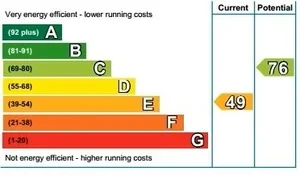
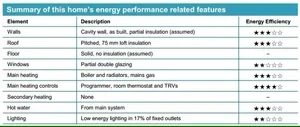
Each certificate is valid for ten years, and each property assessed is given a rating from A (the most efficient) to G (the least efficient). The EPC rating looks at the property's energy use per square metre, the fuel costs, and the volume of CO₂ emissions. The calculations are based on standardised assumptions rather than actual energy bills. The walls, ceiling and floor will be judged for insulation, and the use of energy saving lightbulbs and double glazing all help improve the property's rating. The heating system in place, whether a thermostat is fitted and the hot water delivery system are also taken into account.
Finding a qualified EPC assessor
Your estate agent will be able to recommend a company to carry out the assessment, but you can also shop around. The assessor will need to be accredited. Companies qualified to carry out EPC assessments can be found on the EPC register. EPCs were initially introduced as a part of HIPS (home information packs). While HIPs were retired in 2010, it is still essential to have a valid EPC each time that a property is built, sold or rented.
EPC examples
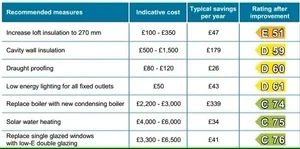
The EPC gives your home an energy efficiency rating. It also indicates how the recommendations made within the certificate could improve the energy efficiency. The average home in England and Wales has a D rating. The certificate considers various aspects of your home and assesses their energy efficiency. There are several recommendations made in the EPC that will improve your property's energy efficiency. An indicative cost is given for each recommendation alongside the amount of money that could be saved by following the recommended course of action.
Information that needs to be disclosed
Consumer protection regulations (CPRs) dictate that a seller must disclose any pertinent information they have about the property which might influence the prospective buyer's decision. The following list provides an indication of the type of information that requires sharing:
- The reasons why previous sales have fallen through
- Any problems highlighted in previous surveys, i.e. subsidence
- Any pending, approved or declined applications for planning permission
- Any proposals for nearby development and construction
- Whether the property lies beneath a flightpath
- Whether the property is within sight of a motorway
- Whether a power plant or substation is nearby
- Any known structural issues with the property
- Any public right of ways passing through the grounds
- Any ongoing problems with neighbours, including boundary disputes
- Any neighbours known to have been served an Anti Social Behaviour Order (ASBO)
- Whether there have been any known burglaries in the neighbourhood recently
- Whether any murders or suicides have occurred in the property recently
- Any outstanding debts associated with the property, such as Green Deal loans
- Any known pests in the property, or bats nesting in the eaves
- Any known issues with problem weeds, such as Japanese Knotweed
It is important to not only be accurate with the information you provide, but also provide all the information that is relevant without omission. Providing misleading information, or failing to offer any relevant information, can result in criminal charges being levelled at the seller or estate agent.
To mitigate against this scenario, estate agents will generally issue a form called the Property Information Questionnaire (PIQ). This form will help you to disclose any issues that would affect the transactional decision of the average consumer. If in doubt, speak to your solicitor or estate agent.
Ready to sell your property?
Book a free valuation with our expert team today.